Waterjet Looms width 230 cm About
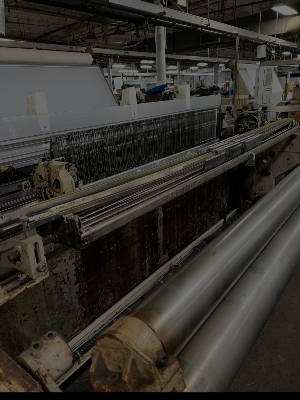
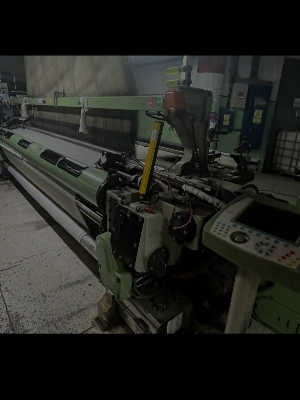
For Sale: 230cm Waterjet Looms Toyota Waterjet 3 Machines Year: 2013 Working Width: 230cm Cam Capacity: 4 harness frames Heald Frames: 4 (not installed due to style change) Feeder: 1 Warp Beam & Reed: 1 per machine Tsudakoma Waterjet 9 Machines Year: 2004 (6 machines), 2007 (3 machines) Working Width: 230cm Cam: 4 machines Cranks: 5 machines Heald Frames: 4 Feeder: 2 Beams & Reed: Available on 8 machines High-performance 230cm Waterjet Looms from Toyota and Tsudakoma, designed for efficient and precise weaving of wide fabrics. Ideal for producing technical textiles, fashion fabrics, and industrial fabrics, these machines offer reliable operation, flexible configurations, and high productivity. All machines are well-maintained, with warp beams and reeds available for immediate setup. Perfect for textile manufacturers looking to expand or upgrade production capacity with durable Japanese-made looms. Wide 230cm working width for large-scale fabric production Multiple heald frames and cam/crank systems for flexible fabric designs Reliable Japanese engineering (Toyota & Tsudakoma) Immediate production readiness with available beams and reeds Suitable for a variety of textile applications, including apparel, home textiles, and industrial fabrics
Advanced Shedding Motion OptionsChoose between electronic or cam shedding motion models to suit the weaving complexity and fabric type. The precision control allows for versatile pattern creation, delivering optimal performance for a wide range of synthetic fibers. Users benefit from reliable, consistent quality and efficiency throughout production runs.
Efficient and Innovative Nozzle TechnologyEquipped with a high-efficiency, water-saving nozzle, these looms minimize water consumption without sacrificing weaving speed or fabric integrity. The nozzle system is engineered for superior yarn propulsion and precise weaving, supporting sustainable and cost-effective textile operations.
User-Friendly Control and AutomationAutomation features such as automatic take-up, electronic let-off, and an LCD touch screen simplify operation and monitor key parameters in real time. The automatic centralized lubrication system ensures maintenance is minimal, enhancing long-term reliability and reducing downtime.
FAQ's of 230a cm Waterjet Looms:
Q: How does the waterjet loom deliver high production efficiency?
A: The loom employs a purely waterjet-driven propulsion system with automatic take-up and electronic let-off motions, enabling consistent high-speed operation (600-1000 RPM). Its efficient design minimizes manual intervention and supports sustained production for garment, home textile, and industrial applications.
Q: What are the main benefits of the water-saving nozzle?
A: The high-efficiency, water-saving nozzle reduces water usage while maintaining strong yarn propulsion. This feature lowers operating costs, promotes sustainable production practices, and supports consistent fabric quality.
Q: When is it advisable to use the electronic versus cam shedding motion?
A: Electronic shedding is ideal for complex fabric designs or frequent pattern changes, offering superior control and flexibility. Cam shedding is suitable for simpler, repetitive patterns and can offer additional mechanical reliability for certain fabric types.
Q: Where can these waterjet looms be installed and operated?
A: These looms are suitable for textile manufacturing facilities in India and can be integrated into garment, home textile, or industrial fabric production lines. Their compact footprint (4400x1700x1700 mm) and low-noise design allow for versatile installation options.
Q: What is the operating temperature range and water supply requirements for this loom?
A: The loom operates efficiently in environments with temperatures from 5C to 40C. It requires a water supply pressure of 0.3-0.4 MPa, ensuring optimal nozzle performance for synthetic fiber weaving.
Q: How does the automatic centralized lubrication system work?
A: The lubrication system automatically distributes lubricant to all key moving parts, reducing wear and prolonging machine life. This minimizes manual maintenance and helps maintain consistent operational efficiency.
Q: What types of yarn can be processed, and what fabrics are produced?
A: The loom is suitable for weaving polyester, nylon, and other synthetic fibers. It can produce a variety of textiles, including fabrics for garments, home furnishings, and industrial use.





 Get Latest Price

 Send Inquiry
 Send Inquiry
 Send SMS
 Call Me Free