Automatic Rotary Drum Filter About
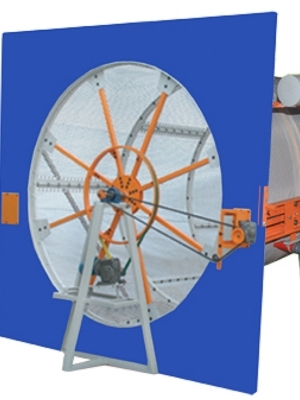
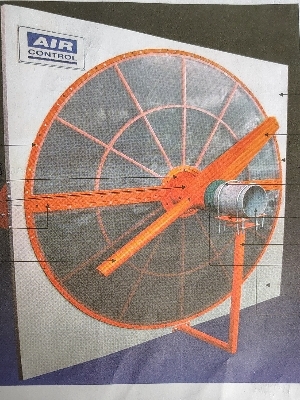
A clean environment contributes to better performance and higher productivity, especially in textile mills. Heavy dust and fiber fly can have a direct impact on the quality of the yarn. Coimbatore Air Control Systems, in answer to this need has introduced Rotary Drum Filter with high filtering efficiency and low maintenance. This filter is made of perforated MS sheets with study MS supporting arrangements. The drive for the drum filter is through 0.5 HP gear motor and the suction nozzle is connected to 5 HP high pressure suction fan. The dust removed from the filter is collected in the cyclone compactor / collection bag. The linear movement of the nozzle synchronized with the rotation of the drum of uniform cleaning and the nozzle is specially designed for optimum suction pressure. The synthetic type of filter media is fixed on the surface of the rotary drum to clean the cotton fiber / dust from the department exhaust trench with high filtering efficiency and less pressure drop.
Efficient Micro-Filtration for Industrial ApplicationsOur Automatic Rotary Drum Filter offers precise liquid-solid separation using micro-perforated stainless steel or polyester mesh media suited for challenging industrial environments. With a filtration accuracy of 30-100 microns and stainless-steel construction, it reliably removes suspended solids while resisting corrosion. An automatic spray backwash system ensures consistent cleaning and uninterrupted operation, making it an ideal solution for applications in textiles, paper, food processing, and wastewater treatment.
Customizable Design and Low-Maintenance OperationCrafted to meet specific process needs, this drum filter is available in various diameters and capacities, with a robust floor-mounted design tailored for each client. The incorporation of a self-cleaning mechanism, PLC-based control (optional), and easy-access sludge trough offers minimal maintenance needs and optimized uptime. Its polished finish and quiet operation further support its suitability for sensitive production environments.
FAQ's of Automatic Rotary Drum Filter:
Q: How does the automatic rotary drum filter operate?
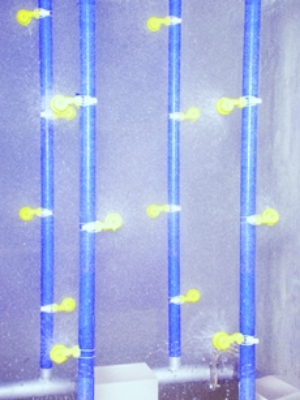
A: The filter works by drawing liquid through a micro-perforated drum screen made of stainless steel or polyester mesh. As the drum rotates slowly (0.5 - 3 rpm), suspended solids are captured on the media surface while filtered liquid passes through. An automatic spray nozzle system periodically backwashes the drum to clean any collected debris, ensuring continuous and efficient operation.
Q: What industries can benefit from using this rotary drum filter?
A: This filtration system is ideal for industries such as textiles (wet processing), paper production, food processing, and wastewater treatment. Its robust construction, customizable size, and effective solid-liquid separation make it suitable for applications demanding reliable removal of suspended solids.
Q: When should the drum filter media be replaced or maintained?
A: The filter media is designed for long-term use with minimal maintenance, thanks to automatic backwashing. Replacement is generally only required if there is significant wear or damage to the mesh, which varies depending on operating conditions, but routine visual inspections and cleaning will help extend its lifespan.
Q: Where is the filter installed in a processing facility?
A: This drum filter is floor-mounted and can be positioned near the influent line wherever solid-liquid separation is required, such as before discharge, recirculation, or further water treatment processes. Inlet and outlet sizes (DN80/DN100 flange) allow integration into existing piping systems.
Q: What are the main advantages of using this filter system over traditional methods?
A: Key benefits include continuous unattended operation, low maintenance requirements, self-cleaning capability, excellent solid capture efficiency (30-100 microns), and a robust, corrosion-resistant stainless steel build. It reduces downtime and labor costs while supporting consistent filtration quality.
Q: How is the unit controlled and monitored during operation?
A: The filtration unit can be operated manually via a start-stop control or upgraded to a PLC-based panel for automated system management and process monitoring. This flexibility supports varying degrees of automation based on application needs.





 Get Latest Price

 Send Inquiry
 Send Inquiry
 Send SMS
 Call Me Free