Aerofoil Damper About
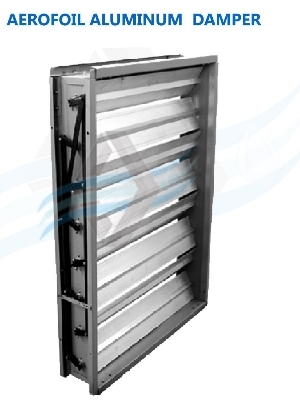
Aerofoil-shaped aluminum extruded blades are housed within a robust GI boxing, featuring ABS linkage mechanisms designed for smooth and reliable operation with automatic control actuators. The linkage system is configured for opposite blade movement, enabling precise regulation of airflow and enhanced performance in ventilation systems
Precision Airflow Control for Every ApplicationAerofoil Dampers with a double skin blade design guarantee superior airflow management in HVAC ventilation systems. Their aerodynamic profile minimizes pressure drop and noise while maximizing control, which is crucial for efficient air distribution across commercial, industrial, and institutional buildings. With customizable configurations, these dampers adapt seamlessly to a variety of ducting arrangements and environmental requirements.
Engineered for Longevity and Low MaintenanceConstructed using high-quality aluminum and galvanized steel or iron, the dampers are built to resist corrosion and operate smoothly under challenging conditions, including humid or damp environments. The robust framework, reliable bearings, and advanced surface finishes (powder coated, anodized) ensure long-term durability and reduced maintenance costs.
FAQ's of Aerofoil Damper:
Q: How is the Aerofoil Damper typically installed in HVAC systems?
A: The Aerofoil Damper can be mounted using standard flanged, slip-in, or wall mounting options, making it versatile for direct installation within ductwork or onto wall openings. Its customizable dimensions allow it to fit seamlessly into new or existing ventilation layouts.
Q: What applications is the Aerofoil Damper best suited for?
A: This damper is ideal for commercial, industrial, and institutional HVAC ventilation systems, where precise air volume and flow control are required, including settings with humid or corrosive environments.
Q: When should I opt for opposed versus parallel blade operations?
A: Opposed blade operation improves mixing and pressure control in critical air distribution, while parallel blades are favored for larger volume changes or when synchronized airflow modulation is needed. The choice depends on the system's airflow regulation requirements.
Q: Where can customized sizing and colors be requested for the damper?
A: Customization requests-including size, form factor (rectangular or square), and color (silver or tailored finish)-can be made through your HVAC supplier, trader, or service provider, ensuring optimal integration and design coherence.
Q: What is the process for operating the damper, and how can automation be achieved?
A: The damper is available with a manual quadrant mechanism for direct adjustment or can be fitted with an electric actuator for automated control integrated with HVAC system cycles. Users can select the most suitable option based on operational convenience and automation needs.
Q: How does the aerofoil blade design benefit HVAC performance?
A: The double skin aerofoil profile reduces friction and air turbulence, lowers noise levels, and minimizes leakage, resulting in energy-efficient, stable airflow and improved comfort for building occupants.





 Get Latest Price

 Send Inquiry
 Send Inquiry
 Send SMS