Picanol Weaving Machine About
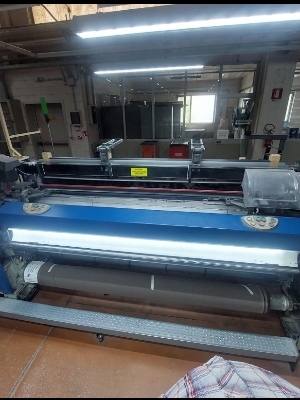
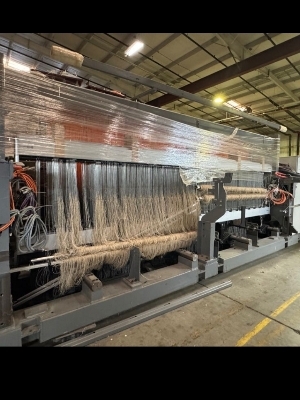
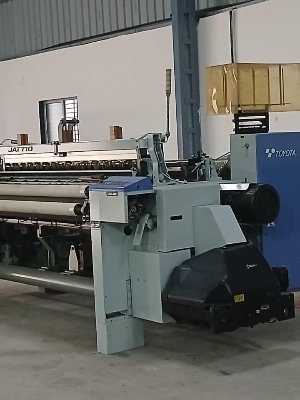
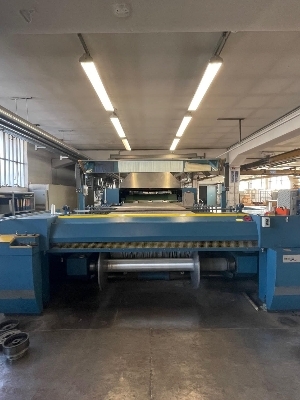
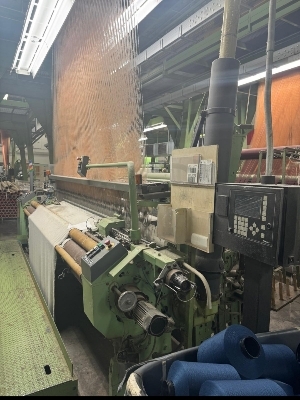
Picanol Weaving Machine Make: Picanol Year of Manufacture: 2017 Type: Rapier Weaving Machine Technical Specifications Working Width: 220 cm Number of Colors: 6 Color Weft Feeders: 6 Nos. Shedding System: Staubli S3320 e3* DRC*/C4CAN Dobby Installed Levers: 16 Shafts Warp Stop Motion: 5 Bar with droppers fitted Beam & Cloth Handling Warp Beams Supplied: 2 Nos. per machine Beam Flange Diameter: 1000 mm Cloth Rolls Supplied: 2 Nos. per machine Machine Condition Machines are still installed Excellent condition From a top producer, maintained under a high-standard maintenance program
Advanced Digital ControlThe Picanol Optimax-i features an intuitive digital touch screen display that simplifies operation and allows operators to quickly adjust settings for diverse fabric types and production requirements. This enhances efficiency and minimizes downtime during changeovers.
Versatile Material CompatibilityEngineered for versatility, the Optimax-i supports a wide variety of yarns including cotton, polyester, and blends. This flexibility makes it suitable for factories with changing production demands, ensuring consistent weaving quality for multiple textile products.
High-Speed ProductivityOffering speeds between 600 to 850 RPM and a remarkable production capacity of up to 1000 meters per day (depending on the model), this weaving machine empowers textile businesses to meet large orders efficiently while maintaining fabric integrity and uniformity.
Integrated Production MonitoringThe built-in data recording and reporting system continuously monitors operational parameters, allowing for proactive maintenance decisions and performance analysis. This integrated technology boosts productivity and simplifies quality assurance processes.
FAQ's of Picanol Weaving Machine:
Q: How does the Optimax-i weaving machine benefit textile manufacturers in India?
A: The Optimax-i offers automatic operation, high-speed productivity, and versatile material compatibility. Its advanced features, such as integrated data monitoring, electronic controls, and centralized lubrication, reduce labor, minimize downtime, and increase production efficiency-key factors for growth and competitiveness in the Indian textile sector.
Q: What materials can be woven on the Picanol Optimax-i?
A: This weaving machine is designed to handle a range of yarns including cotton, polyester, blended yarns, and more. Its adaptable technology accommodates different weave structures and patterns, allowing manufacturers to diversify their product lines easily.
Q: Where can I obtain service and support for the Optimax-i in India?
A: Authorized suppliers, traders, and service providers across India offer installation, maintenance, spare parts, and technical support for the Picanol Optimax-i weaving machine. Reach out to your local distributor for prompt, region-specific assistance.
Q: What is the process for setting up electronic Jacquard or dobby options?
A: The machine can be equipped with electronic Jacquard or dobby shedding motions during installation or as an upgrade. Setup involves integrating the chosen shedding mechanism with the digital control panel and configuring the loom for the intended fabric patterns, usually performed by certified technicians.
Q: How does the centralized automatic lubrication system work?
A: The centralized system automatically distributes lubricant throughout critical components, ensuring consistent lubrication without the need for manual intervention. This process extends the machine's lifespan, reduces wear, and maintains smooth operation, even at high production speeds.
Q: When is production data available for analysis?
A: Production data is continuously recorded by the integrated monitoring system and is accessible in real time via the touch screen control panel. This allows managers to review performance metrics, identify trends, and address issues promptly for optimal operational efficiency.
Q: What is the air requirement for airjet models, and why is it important?
A: Airjet versions of the Optimax-i require an air supply of 6 bar. Maintaining this pressure is necessary to ensure proper functioning of the weft insertion mechanism, which in turn guarantees uniformity and efficiency in fabric weaving during high-speed operations.





 Get Latest Price

 Send Inquiry
 Send Inquiry
 Send SMS
 Call Me Free