KARL MAYER HKS 2-3 EBA About
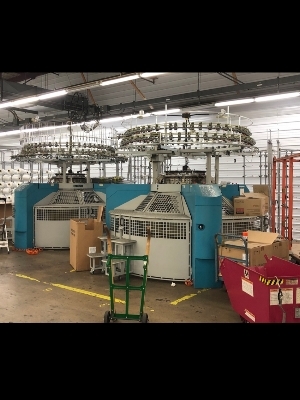
KARL MAYER HKS 2-3 EBA High-Speed Tricot Knitting Machine Manufacturer: Karl Mayer Model: HKS 2-3 EBA Machine Type: Electronic High-Speed Tricot Knitting Machine Technical Specifications Gauge: E 40 Working Width: 130 inches Number of Guide Bars: 23 bars Knitting System: Tricot Control System: Electronic Bar Control (EBA) Drive System: Individual electronic drives for guide bars Needle Type: Compound needles Machine Speed: High-speed operation suitable for fine-gauge fabrics Let-off & Take-up: Electronically controlled Fabric Take-down: Positive, electronically synchronized Lubrication: Centralized automatic lubrication system Fabric & Application Range Fine lace and net fabrics Lingerie and underwear fabrics Technical and elastic textiles Lightweight apparel fabrics Automotive and functional textiles (depending on yarn selection) Key Features & Advantages High productivity with excellent fabric quality Electronic guide bar control (EBA) for precise patterning Fine gauge E40 ideal for lightweight and high-definition fabrics Stable running at high speeds with low vibration Energy-efficient operation Low maintenance and high machine reliability Quick style changeover, ideal for flexible production
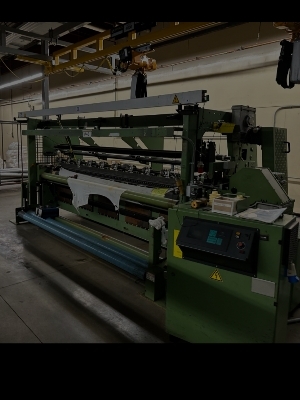
Superior Electronic Control SystemsThe HKS 2-3 EBA is equipped with advanced electronic systems for yarn feed, take-up, and pattern drive, all of which are monitored via an intuitive HMI touchscreen. This digital integration ensures precise adjustment and memory storage, enhancing flexibility and repeatability across multiple production runs.
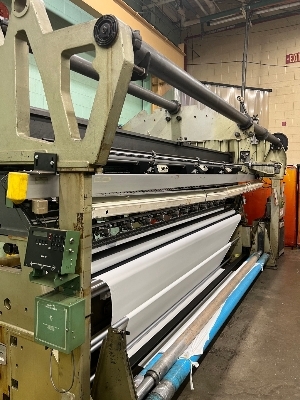
Adaptability for Varied Fabrication NeedsThis knitting machine adapts to diverse textile industry requirements. With customizable working width up to 210 inches, adjustable stitch density, and a range of gauge options (E28, E32, E36), the HKS 2-3 EBA is ideal for creating a broad spectrum of tricot fabrics used in apparel and automotive applications.
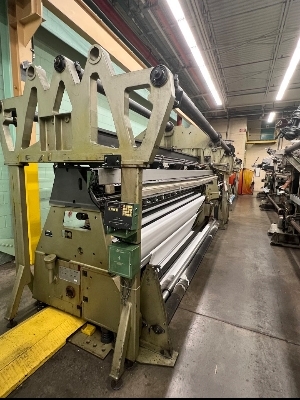
Reliable Performance and Safety FeaturesBuilt with high-grade steel and direct drive main motor, the machine assures operational stability and low maintenance. Integrated safety measures like emergency stop and guards protect operators, while central automatic lubrication keeps moving parts in optimal condition for consistent, high-speed output.
FAQ's of KARL MAYER HKS 2-3 EBA:
Q: How does the HKS 2-3 EBA ensure consistent fabric quality during operation?
A: The machine uses electronic systems for yarn let-off, take-up, and pattern drive, monitored via an integrated HMI touchscreen. These features allow operators to precisely adjust settings for uniform stitch density and pattern accuracy, ensuring consistent fabric quality shift after shift.
Q: What types of fabrics can be produced with this machine?
A: The HKS 2-3 EBA is engineered for both simple and complex tricot fabrics, making it suitable for applications in the apparel and automotive industries. Its versatile gauge options (E28, E32, E36) further enable the production of a wide spectrum of knit densities and styles.
Q: When is servicing required for the central lubrication system?
A: The central and automatic lubrication system helps minimize manual intervention. Routine checks, as outlined in the user manual, ensure the system continues to operate efficiently and that all moving parts remain properly lubricated during extended production runs.
Q: Where is the HKS 2-3 EBA typically installed?
A: This warp knitting machine is ideally suited for installation in standard, well-ventilated factory environments. Its dimensions and operational requirements are compatible with standard industrial settings in textile mills across India.
Q: What is the process for changing fabric patterns?
A: Operators can easily switch fabric patterns by using the onboard computerized control system to upload or select different stored designs. The electronic pattern drive and memory capacity simplify quick transitions between production runs.
Q: How is operator safety maintained during machine use?
A: Safety is prioritized with features such as emergency stop buttons, protective safety guards, and well-placed safety labels, reducing the risk of accidental contact and enabling immediate machine halt in case of emergencies.
Q: What are the benefits of the direct drive system in this model?
A: The main motor direct drive system delivers efficient power transmission, reducing energy loss and mechanical wear. This contributes to higher operational efficiency, smoother performance at speeds up to 3600 rpm, and lower long-term maintenance costs.





 Get Latest Price

 Send Inquiry
 Send Inquiry
 Send SMS
 Call Me Free